 how-to
How Do You Hire a Process Server in Florida?
Last Updated: October 26, 2026
Quick Summary
To hire a process server in Florida, first verify the server holds county or statewide certification and meets state eligibility rules, then compare quotes by fee components, provide complete recipient details, and confirm the attempt count and deadline in writing. Choosing a private process server in Florida usually means faster turnaround and more direct communication than using the sheriff.
- Florida servers must be at least 18, permanent residents, and pass a criminal background check.
- County certification covers one circuit, while statewide certification broadens where a server can serve papers.
- Most providers include two or three attempts, then charge a per-attempt rate.
- Ask how each service attempt is reported and whether affidavits and photos are included.
- Some courts require service by sheriff in specific situations, so confirm your court's rules.
Table of Contents
- Step 1: Confirm Florida Process Server Requirements and Certification
- Step 2: Know What Process Server Cost Includes
- Step 3: Prepare the Documents and Information to Provide
- Step 4: Choose Between a Private Process Server and the Sheriff
- Step 5: Arrange Subpoena Service Florida Courts Will Accept
- Step 6: Review the Proof of Service Affidavit and Attempt Log
- Questions to Ask Before Hiring a Process Server
- Place Your Service Order with US Process Servers LLC
- Frequently Asked Questions
Step 1: Confirm Florida Process Server Requirements and Certification
Hiring a process server in Florida starts with one question: is this process server in Florida actually allowed to serve papers in this state? Florida sets clear rules, and skipping this check is the fastest way to get your service of process thrown out.
A certified process server is an individual who meets the state's eligibility standards and holds the required certification to deliver legal documents. In Florida, the requirements are specific:
- At least 18 years of age
- A permanent Florida resident
- No legal disability
- Not a party to the case
Those are the baseline eligibility requirements. Every server you hire should clear all five.
Statewide vs. County Certification
Florida runs a two-layer system, and this trips people up constantly.
County certification is issued by the chief judge of a judicial circuit. It lets a server work within that circuit's courts. Statewide certification is a separate appointment that broadens where a server can serve papers.
Here's the practical difference: if your case stays in one county, a county-certified server may be enough.
Step 2: Know What Process Server Cost Includes
Pricing for process serving is job-specific, not a single flat number. Anyone quoting you a firm figure before asking about your case is guessing. The useful move is to understand the fee components so you can compare quotes line by line instead of chasing the lowest headline number.
The core fee structure
Most providers price in one of two ways:
- Flat rate for standard service. A single price covers a defined package, typically a set number of attempts within a set radius and timeframe. Confirm what "standard" includes before you compare it to another quote.
- Base fee plus per-attempt charges. A lower base covers the first attempt or two, then each additional attempt is billed separately. This structure rewards you when service is easy and penalizes you when the recipient is hard to find.
Neither structure is inherently better. The question is whether the quote tells you which one you're getting.
What drives the price up
- Number of service attempts. Most providers include a set number, commonly two or three, then charge per additional attempt. Ask for the included count and the per-attempt rate in writing.
- Distance and travel. Dense metro routes and rural routes price differently. A rural address may carry a mileage or travel surcharge.
- Rush or same-day service. Expedited work costs more because it reshuffles the server's schedule and may require dedicating a server to your order.
- Document type. A subpoena, eviction summons, or foreclosure notice can carry different handling needs and different court-specific proof requirements.
How to compare quotes
Ask each provider to break the fee into components in writing: base fee, included attempts, per-attempt rate, travel or mileage charges, rush surcharge, skip-tracing rate, and what proof-of-service deliverables are included. A quote you can line up against another quote is worth more than a round number you can't unpack.
Request a quote based on the specifics of your order rather than relying on a number someone quoted you secondhand, pricing varies by county, document type, and timeframe.
Here are the fee components the article says to break out and compare line by line.
| Cost component | What to confirm | Note |
|---|---|---|
| Base fee structure | Flat rate or base plus per-attempt | Ask which one the quote uses |
| Included attempts | Commonly two or three | Get the count in writing |
| Per-attempt rate | Charged after included attempts | High rates can beat a low base |
| Distance and travel | Mileage or travel surcharge | Rural routes may cost more |
| Rush or same-day service | Expedited surcharge | Reshuffles the server's schedule |
| Document type | Subpoena, eviction, foreclosure handling | Different proof requirements |
| Skip tracing | Separate line item | For recipients dodging service |
| Additional deliverables | Photos, expedited affidavit, notarized proof | May be bundled or billed separately |
Step 3: Prepare the Documents and Information to Provide
A server can only move as fast as the information you give them. Missing details cause failed attempts, and failed attempts cost you time and money.
Gather this before you place an order:
- The exact legal name of the recipient
- Current or last known address, plus any alternate locations
- Physical description: height, build, vehicle, distinguishing features
- Best times to find them at home or work
The more you provide, the fewer wasted trips. If you have a photo or a workplace address, hand it over. Servers who locate individuals for a living will tell you the same thing: good information is half the job.
Step 4: Choose Between a Private Process Server and the Sheriff
Both options are legal. They are not equal in speed or flexibility.
The sheriff handles service of process as part of official duties, but volume and scheduling can slow things down. You get less control over timing and updates.
For time-sensitive matters, most attorneys prefer a private server.
Watch out: some courts require service by sheriff in specific situations, so confirm your court's rules before you assume private service is allowed.
Step 5: Arrange Subpoena Service Florida Courts Will Accept
Subpoena service Florida follows the same service of process rules as a summons. The subpoena must reach the recipient through proper delivery, and the server must document it correctly.
Deadlines are the pressure point. That's when expedited service matters, and when a rush option keeps a time-sensitive subpoena from blowing your court date.
Confirm two things before you order:
- The server can serve in the recipient's county
- They can meet your deadline, not just promise to try
Get the deadline in writing. "We'll do our best" is not a commitment.
Step 6: Review the Proof of Service Affidavit and Attempt Log
A proof of service affidavit is the sworn document that proves service happened. It's the paper a judge looks at when service is challenged, so it has to be right.
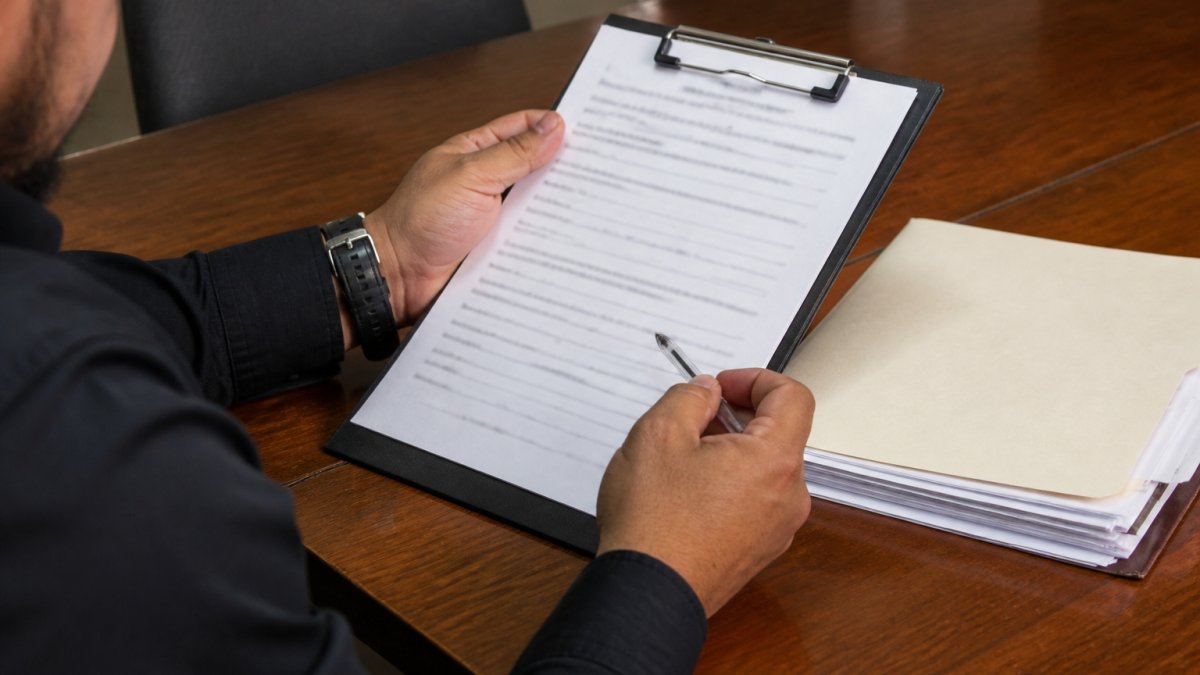
Review these elements:
- The date, time, and location of each service attempt
- The name and certification of the server
- How the documents were delivered
- A physical description of the recipient if identity was confirmed
An attempt log showing multiple attempts strengthens your position if the defendant later claims they were never served. For a full explanation of what makes service valid, read the complete guide to valid service of process before you file the affidavit.
Questions to Ask Before Hiring a Process Server
A short list of questions is not a hiring process. The practical sequence is: verify credentials, confirm coverage and capability for your document type, agree on communication and proof-of-service deliverables, then place the order with complete information. Here is what to ask and how to check the answers.
Verify certification and coverage
- Are you certified, and in which circuit? Ask for the certification and the circuit. Then verify it, do not take the answer on faith. Certification is issued at the county or circuit level, and statewide appointment is separate. Confirm the server's credentials cover every county where service may occur.
- Have you served this document type before? A subpoena, eviction summons, writ of garnishment, and foreclosure notice each carry different handling and proof requirements. Experience with your specific document matters more than general volume.
Confirm the service plan
- How many attempts are included, and what does each extra attempt cost? Get the included count and the per-attempt rate in writing.
- What is your turnaround on same-day or rush orders? Ask for a commitment, not a promise to try. Get the deadline in writing.
- Can you handle skip tracing if the recipient is dodging service? Confirm the rate and what information triggers a skip-trace escalation.
Agree on communication and proof
- How will you update me on each service attempt? Real-time or same-day attempt reporting should be standard. Ask what channel, email, portal, phone, and how quickly after each attempt.
- What do you provide as proof of service? Affidavits, attempt logs, and photos, ideally. Confirm whether the affidavit is notarized and whether photos are included or billed separately.
- What happens after a failed attempt? Ask how the server documents the attempt, whether you are notified before the next attempt, and what the escalation path is if the recipient avoids service.
Prepare the information to provide
A server can only move as fast as the information you give them. Missing details cause failed attempts, and failed attempts cost you time and money. Gather this before you place an order:
- The exact legal name of the recipient
- Current or last known address, plus any alternate locations
- Physical description: height, build, vehicle, distinguishing features
- Best times to find them at home or work
- The court, case number, and filing details
The more you provide, the fewer wasted trips. If you have a photo or a workplace address, hand it over. Servers who locate individuals for a living will tell you the same thing: good information is half the job.
A provider who can't answer these questions clearly, or who won't put the attempt count and deadline in writing, is a risk to your case.
Place Your Service Order with US Process Servers LLC
Getting service right the first time protects your case. US Process Servers LLC is a family-owned firm built for exactly that: accurate affidavits with photos, subpoena delivery, and clear communication on every attempt. We work with solo practitioners and larger firms alike, including short-notice notary needs and skip tracing when someone is dodging service.
Get started with US Process Servers LLC and hand off your contact details to place your order today.
Frequently Asked Questions
What is required to be a process server in Florida?
A process server in Florida must be at least 18 years old, pass a criminal background check, and be a permanent Florida resident if applying for certification. They cannot be a party to the case or have a legal disability. Certification is handled through the county where they serve, and many also pursue statewide certification through the Judicial Circuit. Always ask for proof of certification before hiring.
How do I find a qualified process server in Florida?
Start by confirming the server holds a valid county or statewide certification, then ask about their experience with your document type and location. Request a sample proof of service affidavit and ask how they report attempts. A qualified process server Florida courts accept will provide clear pricing, a service timeline, and a written record of every attempt.
What proof of service should I receive after papers are delivered?
You should receive a completed proof of service affidavit signed by the server, listing the date, time, location, and method of service, plus a description of the recipient. Ask for an attempt log if service was not completed on the first try. This documentation is what courts review to confirm valid service, so verify it matches your case details before filing.
What should I ask before hiring a process server?
Ask about certification, experience with your specific document type (such as an eviction summons or subpoena), turnaround time, and how they handle skip traces if the recipient avoids service. Confirm what process server cost covers, and what deliverables you get, including the proof of service affidavit and attempt reports. Get the answers in writing before you place an order.
Hiring the right process server in Florida comes down to verification, preparation, and clear expectations. Check the certification, ask the hard questions, and demand documentation that holds up in court. Do that, and service of process stops being the part of your case that keeps you up at night.